How to Build a Simple Self-Care Routine That Actually Works

Understanding Self-Care

Self-care isn’t just bubble baths and candles (though those can be nice). At its core, self-care is about giving yourself what you need—physically, mentally, and emotionally—to function and feel well. It’s making sure you’re not pouring from an empty cup. The key to building a routine that lasts is to keep it simple, personal, and consistent.


Identify Personal Needs

Before jumping into a routine, pause and check in with yourself. What areas of your life feel off balance or neglected? Evaluate whether you are getting enough sleep, if you feel mentally overwhelmed, when you last moved your body, and if you have time to relax just for fun. This self-audit helps you prioritize the areas where you truly need care, not just the ones trending on social media.


Choose Core Practices

You don’t need a complex routine. Start with a few basic habits that support your well-being. These should be things that make you feel better afterward, are realistically doable, and fit into your existing lifestyle.

Physical Self-Care

  • Drink a full glass of water in the morning.

  • Go for a walk.

  • Do light stretching or yoga.

  • Eat a nourishing meal without screens.

Emotional Self-Care

  • Journal before bed.

  • Listen to a calming playlist.

  • Talk to a trusted friend.

  • Set a boundary by saying “no” to something draining.

Mental Self-Care

  • Limit social media usage.

  • Read for pleasure.

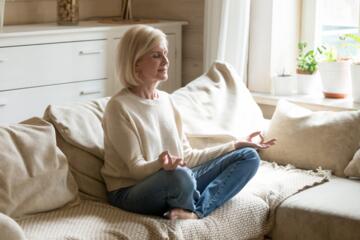
  • Meditate or do deep breathing.

  • Write down your top priorities.


Establish Consistency

A self-care routine works best when it’s integrated into your regular schedule, not just squeezed in during burnout. Anchor new actions to existing habits, such as stretching right after brushing your teeth. Use reminders like alarms or visual cues. Remember that a short, sustainable session is more effective than a long routine that is quickly abandoned. Consistency beats intensity.


Maintain Flexibility

Your needs will change, and that’s okay. Self-care isn’t a rigid checklist—it’s a way of checking in and showing up for yourself. If you miss a session, simply pick it back up later. Adjust your routine if it starts to feel like a burden and celebrate small wins. The goal is to create a supportive rhythm in your life, not to achieve perfection.


Track Progress and Impact

One of the best motivators is noticing positive change. Periodically reflect on how your habits are affecting your mood, energy, and focus. Assess whether you feel more rested, less anxious, or more patient. Adjust your routine based on what’s working. Self-care should feel like care—not just another obligation.


Sample Daily Structure

If you are not sure where to start, consider this basic flow that requires minimal time:

  • Morning: Drink water and set an intention for the day.

  • Afternoon: Step outside for fresh air or take a brief walk.

  • Evening: Write down things you are grateful for, put your phone on Do Not Disturb, and stretch.


Final Thoughts: Self-Care as a Practice

Building a self-care routine doesn’t require fancy products or hours of free time. It requires honesty, consistency, and a little creativity. The more you care for yourself intentionally, the more capacity you’ll have to handle life’s challenges and enjoy the positive moments. Start small and focus on the long-term benefits for your well-being.


Related Articles

Morning Habits That Set You Up for a Great Day

We all know the feeling of waking up late, rushing out the door, and spending the rest of the day playing catch-up. But what if your mornings could do the opposite—give you a calm, focused, and energized start that carries through the rest of your day? The way you begin your morning sets the tone for everything that follows, and with just a few intentional habits, you can transform your daily life from reactive to purposeful. Here’s how to craft a morning routine that supports productivity, well-being, and a better mindset from the moment you wake up.

Lifestyle

mysearchgo_com.pages.index.article.read_more

10 Healthy Snacks That Actually Taste Good

Let’s face it: most of us want to eat healthier, but the idea of snacking on carrot sticks or rice cakes doesn’t exactly excite the taste buds. The truth is, healthy snacks often get a bad reputation for being bland or unsatisfying—but it doesn’t have to be that way. If you’re trying to clean up your eating habits but still crave flavor, crunch, and comfort, you’re in luck. Here are 10 healthy snacks that actually taste good, backed by smart nutrition and full of flavor. No sad desk salads or chalky protein bars required.

Lifestyle

mysearchgo_com.pages.index.article.read_more

How to Sleep Better Without Taking Pills

In a world that never stops buzzing—emails at midnight, glowing screens in bed, racing thoughts the moment your head hits the pillow—it’s no surprise that millions struggle to get quality sleep. Many turn to sleep aids for a quick fix. But what if you could fall asleep faster, sleep deeper, and wake up more refreshed—without relying on pills? The truth is, you can. And it starts with understanding what’s keeping you up and making small but powerful changes to your routine and environment. This article explores practical, natural strategies to help you sleep better—no prescriptions required.

Lifestyle

mysearchgo_com.pages.index.article.read_more

The Art of Saying No Without Guilt

Have you ever said “yes” to something you didn’t want to do—only to spend hours regretting it afterward? Whether it’s taking on extra work, attending an event you don’t care for, or agreeing to a favor when your plate is already full, saying “yes” too often can lead to burnout, resentment, and stress. But here’s the truth: saying no is not selfish—it’s necessary. The ability to decline without guilt is one of the most valuable life skills you can learn, and it’s a major step toward protecting your time, energy, and mental health. This article will show you how to say no clearly, kindly, and confidently—without the emotional hangover that usually follows.

Lifestyle

mysearchgo_com.pages.index.article.read_more

Latest Articles

Daily Routines That Improve Mental Health

Ever feel like your mind is running on autopilot—constantly stressed, distracted, or just off? You’re not alone. Between work, responsibilities, and the endless scroll of bad news, it’s easy for mental health to take a backseat. The good news? Small, consistent daily habits can make a huge difference in how you feel. You don’t need a complete lifestyle overhaul—just a few intentional routines to reset your mind. Below, we’ll explore science-backed habits that boost mood, reduce anxiety, and help you feel more in control.

Lifestyle

Read »

How to Sleep Better Without Taking Pills

In a world that never stops buzzing—emails at midnight, glowing screens in bed, racing thoughts the moment your head hits the pillow—it’s no surprise that millions struggle to get quality sleep. Many turn to sleep aids for a quick fix. But what if you could fall asleep faster, sleep deeper, and wake up more refreshed—without relying on pills? The truth is, you can. And it starts with understanding what’s keeping you up and making small but powerful changes to your routine and environment. This article explores practical, natural strategies to help you sleep better—no prescriptions required.

Lifestyle

Read »

10 Healthy Snacks That Actually Taste Good

Let’s face it: most of us want to eat healthier, but the idea of snacking on carrot sticks or rice cakes doesn’t exactly excite the taste buds. The truth is, healthy snacks often get a bad reputation for being bland or unsatisfying—but it doesn’t have to be that way. If you’re trying to clean up your eating habits but still crave flavor, crunch, and comfort, you’re in luck. Here are 10 healthy snacks that actually taste good, backed by smart nutrition and full of flavor. No sad desk salads or chalky protein bars required.

Lifestyle

Read »

Why Walking Daily Is Underrated

In a world obsessed with high-intensity workouts, gym memberships, and fitness trackers pushing us to “crush goals,” walking doesn’t get much love. It’s slow. It’s simple. It’s... basic. But here’s the twist: walking—yes, just putting one foot in front of the other—might be the most underrated health habit of all. You don’t need fancy equipment, athletic talent, or a subscription. Just a decent pair of shoes and a willingness to step outside (or around your living room). If you’ve been overlooking this humble activity, it’s time to rethink its power.

Lifestyle

Read »

How to Declutter Your Mind and Your Space

In a world that rarely pauses, our minds and living spaces often reflect the same chaos: overflowing to-do lists, scattered thoughts, piles of things we "might need someday." Sound familiar? Mental and physical clutter go hand in hand, feeding each other in a cycle that can drain your energy and cloud your clarity. But here's the good news: by decluttering both your mind and your space, you can reclaim calm, focus, and a greater sense of control in your life. This article will guide you through practical steps to help you simplify both your inner world and your environment—so you can breathe easier and think clearer.

Lifestyle

Read »

How to Build a Simple Self-Care Routine That Actually Works

Ever feel like life is moving too fast, and you're constantly running on empty? You’re not alone. In a world that glorifies being busy, it’s easy to push your own needs to the bottom of the list. That’s where self-care comes in—not as a luxury, but as a necessity. A self-care routine doesn’t have to be elaborate, time-consuming, or expensive. In fact, the simpler it is, the more likely you are to stick with it. This guide will help you build a realistic, meaningful self-care routine that fits your lifestyle and helps you feel more grounded, energized, and in control.

Lifestyle

Read »