The Evolution of Smartphones: Past to Future

The Early Days: Phones That Just Called

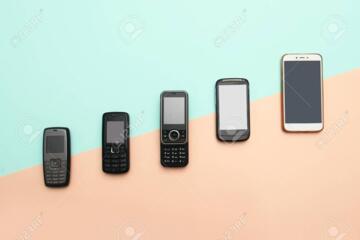
Communication was limited and inconvenient. The earliest mobile phones were bulky, expensive, and mainly used for voice calls. Iconic models were the size of a water bottle and had very short battery life. There were no apps and no cameras; the primary value was the ability to make a call without a cord. Later, phones became slightly smaller and gained features like SMS, but they remained primarily communication devices rather than digital assistants.


The Rise of Smart Features

Phones started doing more than calls and texts. During this period, devices began integrating calendars, cameras, and basic internet access. Certain models became popular among business users by laying the groundwork for what would follow. Key advancements included:

  • QWERTY keyboards for emailing on the go.

  • Cameras for casual snapshots with resolution that was grainy by modern standards.

  • Basic app ecosystems, mostly designed for enterprise use.


The Game-Changer: The App Revolution

Users wanted one device for everything — calls, music, photos, and internet. The launch of touch-focused devices reimagined what a phone could be, moving away from styluses and clunky keyboards in favor of an intuitive interface. Significant changes included:

  • App Stores: Suddenly, third-party developers could build tools for everything from gaming to banking.

  • Touch-first design: This made phones accessible to everyone, not just tech-savvy users.

  • Mobile Internet: Browsing became a normal daily activity rather than a difficult chore. This era marked the true birth of the modern smartphone.


The Maturity Phase: Cameras, Power, and Ecosystems

People needed better performance, connectivity, and integration. During these years, smartphones became faster, thinner, and smarter. Major operating systems matured with millions of apps and deep integration across various devices. What defined this phase:

  • Camera wars: Mobile devices turned into serious photography tools with multiple lenses and advanced processing.

  • Biometrics: Fingerprint scanners and face recognition improved security.

  • Cloud integration: Photos, documents, and calls moved seamlessly between different devices.

  • AI and voice assistants: Virtual helpers entered the daily conversation. Choosing a smartphone became more about ecosystem compatibility than raw hardware specifications.


Current Trends: Foldables, AI, and Personalization

The modern challenge is balancing power, convenience, and screen size. Current smartphones combine pro-level cameras, lightning-fast chips, and high-quality displays into slim bodies. Recent developments include:

  • Foldable phones: New form factors are pushing the boundaries of multitasking and portability.

  • On-device AI: Phones now transcribe, translate, and summarize text locally without needing a constant cloud connection.

  • Sustainability: There is a growing focus on repair programs and making devices last longer. When selecting a device, the focus remains on individual needs: camera quality for photography, high-capacity batteries for longevity, or stylus support for productivity.


The Future of Smartphones

As smartphones reach a peak in traditional design, new revolutions are emerging.

  • AI-First Devices: Phones will become smarter, offering real-time personal coaching, predictive messaging, and context-aware assistance.

  • Integration with Wearables: Expect a connected ecosystem where smartwatches or glasses take over functions, potentially replacing the need to look at a traditional screen.

  • Alternative Interfaces: Voice-first devices and AI-powered pins may influence how we interact with technology, shifting from screen-heavy usage to ambient interaction.

  • Modular Designs: To reduce waste, future devices might allow users to upgrade specific components like the camera or battery.


Final Thoughts: Staying Smart About Technology

Smartphones have evolved from bulky call-only devices to powerful companions. As technology moves forward, the key is to choose tools that align with your specific lifestyle rather than chasing every trend.

  • Avoid upgrading out of habit; identify what is specifically lacking in a current device.

  • Focus on features that offer practical utility in daily life.

  • Remain open to new form factors that might better fit a particular workflow. The journey of mobile technology continues to shift, whether through wearable tech or advanced intelligence.


Related Articles

The Evolution of Smartphones: Past to Future

Ever wondered how we went from clunky brick phones to sleek devices that unlock with your face, order your groceries, and even track your heartbeat? Smartphones have transformed from luxury gadgets to essential life tools. And with rapid innovation continuing, many are asking: What’s next? Understanding where smartphones came from — and where they’re going — can help us make smarter choices as users, buyers, or tech enthusiasts. Whether you're curious about the history, trying to pick your next phone, or just wondering what the future holds, this article explores the smartphone journey in a practical, relatable way.

Technology

mysearchgo_com.pages.index.article.read_more

Should You Switch to a Password Manager?

If you’ve ever clicked “forgot password” more times than you’d like to admit, you’re not alone. Between email logins, streaming subscriptions, bank accounts, and social media profiles, the average person now juggles dozens of passwords. And let’s be honest — using “Password123!” for everything just isn’t cutting it anymore. As digital threats grow and cyberattacks become more sophisticated, more people are asking the same question: “Should I be using a password manager?” The short answer? Yes. But let’s break it down — clearly, practically, and without the tech jargon.

Technology

mysearchgo_com.pages.index.article.read_more

Top 5 Free Tools to Boost Your Digital Productivity

We’ve all had those days: the to-do list keeps growing, the inbox overflows, and somehow, even after hours of screen time, nothing feels done. In a digital world full of distractions, staying productive isn’t just about working harder — it’s about using the right tools to work smarter. The good news? You don’t need a premium subscription or fancy software to get organized and efficient. There are powerful, completely free tools out there that can supercharge your workflow and help you reclaim your focus. Let’s dive into five of the best free tools that can genuinely boost your digital productivity — and how to make the most of each.

Technology

mysearchgo_com.pages.index.article.read_more

How Blockchain Is Changing More Than Just Finance

When most people hear “blockchain,” they think of Bitcoin or cryptocurrencies. But that’s just the tip of the iceberg. Blockchain — the underlying technology that powers cryptocurrencies — is quietly reshaping industries far beyond finance. From supply chains to voting systems, it’s offering new levels of transparency, security, and efficiency that traditional systems simply can’t match. So if you're wondering "Is blockchain really useful outside of money?", the answer is a resounding yes. And understanding how it's being used can open your eyes to opportunities you may not have considered.

Technology

mysearchgo_com.pages.index.article.read_more

Latest Articles

Should You Switch to a Password Manager?

If you’ve ever clicked “forgot password” more times than you’d like to admit, you’re not alone. Between email logins, streaming subscriptions, bank accounts, and social media profiles, the average person now juggles dozens of passwords. And let’s be honest — using “Password123!” for everything just isn’t cutting it anymore. As digital threats grow and cyberattacks become more sophisticated, more people are asking the same question: “Should I be using a password manager?” The short answer? Yes. But let’s break it down — clearly, practically, and without the tech jargon.

Technology

Read »

How Blockchain Is Changing More Than Just Finance

When most people hear “blockchain,” they think of Bitcoin or cryptocurrencies. But that’s just the tip of the iceberg. Blockchain — the underlying technology that powers cryptocurrencies — is quietly reshaping industries far beyond finance. From supply chains to voting systems, it’s offering new levels of transparency, security, and efficiency that traditional systems simply can’t match. So if you're wondering "Is blockchain really useful outside of money?", the answer is a resounding yes. And understanding how it's being used can open your eyes to opportunities you may not have considered.

Technology

Read »

5 Apps That Will Make You More Organized

Ever feel like your to-do list is a mile long, but your day just slips away? You're not alone. In a world packed with constant notifications, overlapping schedules, and digital clutter, staying organized can feel like a full-time job. Fortunately, the right tools can change everything. With just a few thoughtfully chosen apps, you can clear your mental fog, manage tasks with ease, and finally stop forgetting that thing you were supposed to do yesterday. Whether you’re managing a team or just trying to remember to buy cat food, these five apps can help you reclaim control of your day — and your sanity.

Technology

Read »

How to Protect Your Online Privacy in Simple Steps

In today’s hyper-connected world, your personal data is more valuable than gold — and more exposed than you think. From social media habits to online purchases, almost everything you do online is tracked, stored, and often sold. The question is no longer if your data is being collected — it's how much and by whom. The good news? You don’t need to be a tech genius to protect your privacy. A few simple changes can make a huge difference. This article breaks down easy, practical steps you can take today to protect your online privacy — without turning your life upside down.

Technology

Read »

What Is the Metaverse and How Will It Affect You?

Not long ago, “metaverse” sounded like a term ripped from a sci-fi novel. Now, it’s on the lips of tech giants, in investor reports, and even in school curriculums. But what is the metaverse really—and why should you care? This isn’t just about video games or virtual reality headsets. The metaverse could reshape how we work, learn, socialize, shop, and experience the internet itself. Whether you're a casual tech user or a future-forward thinker, understanding what the metaverse is—and how it might impact your life—is quickly becoming essential.

Technology

Read »

The Best AI Tools for Everyday Use in 2026

In a world where we juggle overflowing inboxes, back-to-back meetings, endless to-do lists, and the need to stay informed — AI is no longer just a buzzword. It’s a lifeline. Whether you're a student, freelancer, small business owner, or just trying to get through your day a little smoother, the right AI tools can save time, reduce stress, and boost productivity. But with so many tools out there, where should you start? This article explores the best AI tools in 2026 that are practical, easy to use, and can make your daily life noticeably better.

Technology

Read »