The Science Behind Sleep and Why We Need It

The Sleep Cycle: A Quick Breakdown

Sleep is a highly active biological process during which your brain and body go through multiple stages of restoration. Each night, your body cycles through four main stages:

  • NREM Stage 1 (Light Sleep): A brief transition phase where your body starts to relax.

  • NREM Stage 2: Brain activity slows, heart rate drops, and your body temperature decreases.

  • NREM Stage 3 (Deep Sleep): The most restorative stage where tissues repair and immune functions strengthen.

  • REM Sleep (Rapid Eye Movement): Your brain becomes active, dreams occur, and memory consolidation happens.

Quality sleep requires going through all these stages repeatedly in cycles throughout the night.


Why Do We Need Sleep?

Sleep is essential biological maintenance that keeps you functioning:

Cognitive Function Sleep acts as a save and reboot function. During sleep, the brain processes emotions, consolidates memories, and clears waste products. Lack of rest leads to poor concentration, memory issues, and decision-making errors.

Emotional Health Sleep deprivation heightens emotional reactivity because the emotion center of the brain goes into overdrive while the logic center becomes sluggish. Sufficient rest helps regulate mood and reduces emotional stress.

Physical Repair During deep sleep, the body repairs muscles, regenerates cells, and releases growth hormones. Chronic sleep loss weakens the immune system and increases long-term health risks.

Weight and Metabolism Sleep affects hunger and fullness hormones. Inadequate rest can signal the body that it is hungry even when it is not, and may slow down metabolism.


Guidelines for Sleep Duration

The key to rest is a combination of duration, consistency, and quality. General recommendations include:

  • Adults: 7–9 hours

  • Teens: 8–10 hours

  • Children: 9–12 hours

  • Older Adults: 7–8 hours

Uninterrupted, deep sleep is often more beneficial than longer periods of restless sleep.


Common Sleep Problems and Approaches

If you struggle with sleep, consider these adjustments to your environment and habits:

Difficulty Falling Asleep Stick to a regular sleep schedule every day. Avoid screens before bed as light can suppress sleep hormones. Establish calming routines such as reading, stretching, or deep breathing.

Waking Up Tired Limit caffeine and alcohol consumption. Ensure your sleep environment is cool, dark, and quiet. Check that your mattress and pillows provide proper support.

Waking Up During the Night Avoid heavy meals before sleep and manage stress through journaling or meditation. If you cannot fall back asleep after a period of time, engage in a calming activity in dim light before trying again.


Practical Habits for Better Sleep

  • Establish a consistent wind-down routine.

  • Seek natural sunlight early in the day to help regulate your internal clock.

  • Avoid long naps during the day if they interfere with nighttime rest.

  • Keep a record of your sleep patterns to identify what helps or hinders your rest.

  • Consult a professional if sleep issues persist.


Understanding Empathy

Empathy is a skill that promotes emotional safety and helps resolve conflicts through understanding. It is often misunderstood:

  • Empathy is not weakness: Feeling deeply requires strength and choosing to connect.

  • Empathy does not mean agreement: You can understand someone’s perspective without endorsing their actions.

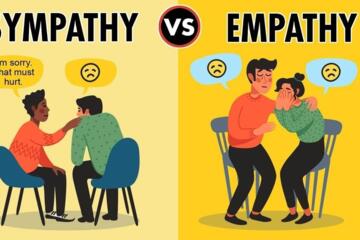
  • Empathy differs from sympathy: While sympathy involves feeling for someone, empathy involves feeling with them.


How to Practice Empathy

  1. Listen to Understand: Focus on the other person’s feelings rather than preparing a response.

  2. Reflect Emotions: Use language that acknowledges the difficulty of their situation and shows you are tuned in.

  3. Perspective Taking: Imagine the world from their point of view, considering their unique pressures and fears.

  4. Avoid Judgment: Do not minimize or dismiss their experience with comparisons.

  5. Stay with the Emotion: Simply being present during someone’s discomfort is often the most powerful form of connection.


Final Thoughts

Prioritizing sleep and practicing empathy are foundational to health and meaningful relationships. Quality sleep fuels focus, mood, and longevity, while empathy builds the bridges necessary for true connection.

Related Articles

What Is Climate Change and Why Does It Matter?

You’ve probably heard the term climate change thrown around on the news, in political debates, or during weather reports. But what does it really mean? And more importantly—why should you care? Climate change isn’t just a distant environmental issue. It’s something that’s affecting us all right now—from food prices and weather disasters to your health and the future of your family. Understanding what climate change is and how it works is the first step toward making smart, informed decisions about your lifestyle, community, and even your vote.

Education

mysearchgo_com.pages.index.article.read_more

Understanding the Basics of Artificial Intelligence

Artificial Intelligence (AI) is transforming the world as we know it, from the way we work to how we interact with technology on a daily basis. Whether you're a tech enthusiast, a professional looking to stay ahead in your career, or simply curious about the future, understanding the basics of AI is essential. This article will guide you through the fundamental concepts of AI, its applications, and how it impacts our daily lives.

Education

mysearchgo_com.pages.index.article.read_more

A Beginner’s Guide to Mindfulness Meditation

In a world that never stops buzzing—constant notifications, endless to-do lists, and the pressure to always be “on”—our minds rarely get a moment of rest. You might find yourself worrying about the future, replaying the past, or just feeling overwhelmed by the present. Mindfulness meditation offers a simple yet powerful solution: learning to pay attention on purpose, in the moment, without judgment. And the best part? You don’t need any special equipment or experience to get started. This guide is for anyone who’s curious about mindfulness but doesn’t know where to begin. Let’s walk through what it is, how it helps, and exactly how to practice it—even if your brain feels like a browser with 50 tabs open.

Education

mysearchgo_com.pages.index.article.read_more

Understanding Cryptocurrency in Simple Terms

In recent years, cryptocurrency has become a buzzword, capturing the attention of investors, tech enthusiasts, and even everyday people. But what exactly is cryptocurrency, and why is it so revolutionary? If you've ever felt confused by the jargon and complex explanations, you're not alone. This article aims to demystify cryptocurrency, breaking it down into simple, easy-to-understand concepts. By the end, you'll have a clear grasp of what cryptocurrency is, how it works, and why it matters.

Education

mysearchgo_com.pages.index.article.read_more

Latest Articles

The History Behind the Internet: How It All Began

Today, the internet is as essential as electricity. We use it to work, learn, socialize, shop, stream, and even find directions to the nearest coffee shop. But how many of us actually know where it came from? Understanding the history of the internet isn’t just a tech trivia question—it helps us appreciate how quickly human innovation can transform the world. It also shows how ideas from defense, academia, and curiosity blended into the digital lifeline we now depend on daily. So let’s rewind. This is the story of how a few researchers, a government project, and a lot of cables changed everything.

Education

Read »

What Is Climate Change and Why Does It Matter?

You’ve probably heard the term climate change thrown around on the news, in political debates, or during weather reports. But what does it really mean? And more importantly—why should you care? Climate change isn’t just a distant environmental issue. It’s something that’s affecting us all right now—from food prices and weather disasters to your health and the future of your family. Understanding what climate change is and how it works is the first step toward making smart, informed decisions about your lifestyle, community, and even your vote.

Education

Read »

A Beginner’s Guide to Mindfulness Meditation

In a world that never stops buzzing—constant notifications, endless to-do lists, and the pressure to always be “on”—our minds rarely get a moment of rest. You might find yourself worrying about the future, replaying the past, or just feeling overwhelmed by the present. Mindfulness meditation offers a simple yet powerful solution: learning to pay attention on purpose, in the moment, without judgment. And the best part? You don’t need any special equipment or experience to get started. This guide is for anyone who’s curious about mindfulness but doesn’t know where to begin. Let’s walk through what it is, how it helps, and exactly how to practice it—even if your brain feels like a browser with 50 tabs open.

Education

Read »

Learn the Difference Between Empathy and Sympathy: Why It Matters More Than You Think

When a friend opens up about their struggles, do you feel what they feel—or do you simply feel sorry for them? The difference may seem subtle, but it has a big impact on how we connect, support, and build trust with others. Confusing empathy with sympathy is common, but understanding the distinction can change the way you relate to people—at home, at work, and even with yourself. In a world that desperately needs more understanding and connection, learning to recognize and practice empathy (rather than defaulting to sympathy) can make all the difference.

Education

Read »

How Habits Are Formed — and How to Change Them

Ever find yourself reaching for your phone before you even open your eyes? Or grabbing a snack during a commercial break, even when you’re not hungry? That’s not just laziness or lack of willpower—it’s habit. Habits shape nearly 40% of our daily actions. They save mental energy, automate routine tasks, and help us move through life without overthinking. But they can also keep us stuck in cycles we’d rather break—like procrastinating, overeating, or endlessly scrolling social media. The good news? Habits aren’t set in stone. Once you understand how they’re formed, you can change them. Let’s explore the science of habits—why we do what we do, and how to build better routines that actually stick.

Education

Read »

Understanding the Basics of Artificial Intelligence

Artificial Intelligence (AI) is transforming the world as we know it, from the way we work to how we interact with technology on a daily basis. Whether you're a tech enthusiast, a professional looking to stay ahead in your career, or simply curious about the future, understanding the basics of AI is essential. This article will guide you through the fundamental concepts of AI, its applications, and how it impacts our daily lives.

Education

Read »