Understanding Cryptocurrency in Simple Terms

Understanding Cryptocurrency

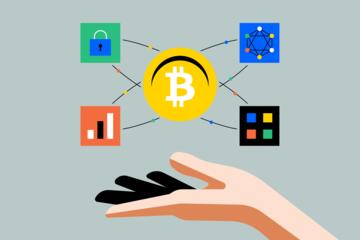
Cryptocurrency is a type of digital or virtual currency that uses cryptography for security. Unlike traditional currencies issued by governments, such as the US dollar or the euro, cryptocurrencies operate on decentralized networks based on blockchain technology. This means they are not controlled by any central authority, such as a bank or government.


Key Characteristics of Cryptocurrency

  • Digital Nature: Cryptocurrencies exist purely in digital form. There are no physical coins or notes; everything is recorded electronically.

  • Decentralization: Cryptocurrencies operate on a network where no single entity has control. This is in stark contrast to traditional banking systems.

  • Cryptography: Advanced cryptographic techniques secure transactions and control the creation of new units, ensuring the integrity and security of the currency.


How Does Cryptocurrency Work?

Blockchain Technology At the heart of cryptocurrency is blockchain technology. A blockchain is a decentralized ledger that records all transactions across a network of computers. This ledger is public and transparent, meaning anyone can view the transactions, but it is also secure and immutable. Once data is recorded, it cannot be altered.

Transactions and Mining When someone sends cryptocurrency, the transaction is broadcast to the network. Miners verify the transaction using complex mathematical algorithms. Once verified, the transaction is added to the blockchain. Miners are rewarded with cryptocurrency for their efforts, which is how new units of the currency are created.

Wallets To use cryptocurrency, you need a digital wallet. This wallet stores your cryptographic keys, which are necessary to access and manage your assets. Wallets can be software-based, such as an app on a phone, or hardware-based, utilizing a physical device.


Why Is Cryptocurrency Important?

Financial Freedom By removing the need for intermediaries like banks, cryptocurrency provides greater financial control to individuals. This is particularly empowering in regions with unstable financial systems or limited access to traditional banking services.

Security and Transparency The use of blockchain ensures that transactions are secure. Each record is on a public ledger, making it difficult to alter or fake transactions. This transparency helps reduce fraud and increase trust in the system.

Investment Opportunities Many people use cryptocurrencies to diversify their investment portfolios. However, the cryptocurrency market is highly volatile and carries significant risk.


Common Types of Cryptocurrency

  • Bitcoin: The first and most well-known cryptocurrency. Created by an anonymous person or group known as Satoshi Nakamoto, it was designed to be a decentralized digital currency and remains highly valuable.

  • Ethereum: Beyond being a digital currency, Ethereum's blockchain allows developers to build decentralized applications and smart contracts, which are self-executing contracts with terms written into code.

  • Altcoins: This term refers to any cryptocurrency other than Bitcoin. There are thousands of altcoins, including Litecoin, Ripple, and Cardano, each with unique features.


How to Get Started with Cryptocurrency

Educate Yourself Before engaging with cryptocurrency, understand the basics of how these systems work, the risks involved, and the different types available. Online resources and communities can provide necessary foundational knowledge.

Choose a Wallet Select a digital wallet that suits your needs and offers robust security features. Consider whether a mobile app or a physical hardware device is more appropriate for your intended use.

Select an Exchange To buy and sell cryptocurrency, use a cryptocurrency exchange. These platforms allow you to trade digital assets for traditional money or other digital currencies. Popular options include Coinbase, Binance, and Kraken.

Start Small For those new to the market, it is advisable to begin with small investments. The market can be highly volatile, and starting small allows you to learn without risking significant amounts of money.

Stay Informed The field is constantly evolving. Stay informed about market trends, new technologies, and regulatory changes by following industry news and participating in forums.


Risks and Challenges

  • Volatility: Prices can fluctuate dramatically in a short period. While this presents opportunities for profit, it also comes with a high risk of loss.

  • Security Concerns: While blockchain is secure, the broader ecosystem can be vulnerable to hacking. It is essential to use reputable exchanges and enable two-factor authentication.

  • Regulatory Uncertainty: The regulatory environment is still evolving. Different countries have different approaches, and these legal landscapes can significantly impact the market.


Conclusion

Cryptocurrency offers new ways to think about money, investments, and financial transactions. By understanding the basics, exploring the different types available, and following a cautious approach to getting started, you can navigate this field with confidence. Focus on education and staying informed to make the most of the opportunities presented by the future of finance.


Related Articles

What Is Inflation? An Easy Explanation

Have you ever noticed that the price of your favorite snack or a gallon of gas seems to creep up over time? This gradual increase in the price of goods and services is known as inflation. While it might seem like a minor inconvenience, inflation has significant implications for the economy and your personal finances. Understanding what inflation is, why it happens, and how it affects you can help you make better financial decisions and plan for the future. In this article, we'll break down the concept of inflation in simple terms, explore its causes and effects, and provide practical tips on how to protect your finances from its impact.

Education

mysearchgo_com.pages.index.article.read_more

A Beginner’s Guide to Mindfulness Meditation

In a world that never stops buzzing—constant notifications, endless to-do lists, and the pressure to always be “on”—our minds rarely get a moment of rest. You might find yourself worrying about the future, replaying the past, or just feeling overwhelmed by the present. Mindfulness meditation offers a simple yet powerful solution: learning to pay attention on purpose, in the moment, without judgment. And the best part? You don’t need any special equipment or experience to get started. This guide is for anyone who’s curious about mindfulness but doesn’t know where to begin. Let’s walk through what it is, how it helps, and exactly how to practice it—even if your brain feels like a browser with 50 tabs open.

Education

mysearchgo_com.pages.index.article.read_more

Learn the Difference Between Empathy and Sympathy: Why It Matters More Than You Think

When a friend opens up about their struggles, do you feel what they feel—or do you simply feel sorry for them? The difference may seem subtle, but it has a big impact on how we connect, support, and build trust with others. Confusing empathy with sympathy is common, but understanding the distinction can change the way you relate to people—at home, at work, and even with yourself. In a world that desperately needs more understanding and connection, learning to recognize and practice empathy (rather than defaulting to sympathy) can make all the difference.

Education

mysearchgo_com.pages.index.article.read_more

Understanding the Basics of Artificial Intelligence

Artificial Intelligence (AI) is transforming the world as we know it, from the way we work to how we interact with technology on a daily basis. Whether you're a tech enthusiast, a professional looking to stay ahead in your career, or simply curious about the future, understanding the basics of AI is essential. This article will guide you through the fundamental concepts of AI, its applications, and how it impacts our daily lives.

Education

mysearchgo_com.pages.index.article.read_more

Latest Articles

The History Behind the Internet: How It All Began

Today, the internet is as essential as electricity. We use it to work, learn, socialize, shop, stream, and even find directions to the nearest coffee shop. But how many of us actually know where it came from? Understanding the history of the internet isn’t just a tech trivia question—it helps us appreciate how quickly human innovation can transform the world. It also shows how ideas from defense, academia, and curiosity blended into the digital lifeline we now depend on daily. So let’s rewind. This is the story of how a few researchers, a government project, and a lot of cables changed everything.

Education

Read »

The Future of Micro-Learning in Higher Education

Higher education is currently navigating a structural shift as student attention spans and workforce demands evolve. This analysis explores how granular, modular content—often termed micro-learning—is moving from corporate training into the core of university curricula. We examine how institutions can leverage short-form pedagogical assets to bridge the gap between theoretical academic depth and the rapid skill acquisition required in the 2026 digital economy.

Education

Read »

A Beginner’s Guide to Mindfulness Meditation

In a world that never stops buzzing—constant notifications, endless to-do lists, and the pressure to always be “on”—our minds rarely get a moment of rest. You might find yourself worrying about the future, replaying the past, or just feeling overwhelmed by the present. Mindfulness meditation offers a simple yet powerful solution: learning to pay attention on purpose, in the moment, without judgment. And the best part? You don’t need any special equipment or experience to get started. This guide is for anyone who’s curious about mindfulness but doesn’t know where to begin. Let’s walk through what it is, how it helps, and exactly how to practice it—even if your brain feels like a browser with 50 tabs open.

Education

Read »

Understanding Cryptocurrency in Simple Terms

In recent years, cryptocurrency has become a buzzword, capturing the attention of investors, tech enthusiasts, and even everyday people. But what exactly is cryptocurrency, and why is it so revolutionary? If you've ever felt confused by the jargon and complex explanations, you're not alone. This article aims to demystify cryptocurrency, breaking it down into simple, easy-to-understand concepts. By the end, you'll have a clear grasp of what cryptocurrency is, how it works, and why it matters.

Education

Read »

Understanding the Basics of Artificial Intelligence

Artificial Intelligence (AI) is transforming the world as we know it, from the way we work to how we interact with technology on a daily basis. Whether you're a tech enthusiast, a professional looking to stay ahead in your career, or simply curious about the future, understanding the basics of AI is essential. This article will guide you through the fundamental concepts of AI, its applications, and how it impacts our daily lives.

Education

Read »

Learn the Difference Between Empathy and Sympathy: Why It Matters More Than You Think

When a friend opens up about their struggles, do you feel what they feel—or do you simply feel sorry for them? The difference may seem subtle, but it has a big impact on how we connect, support, and build trust with others. Confusing empathy with sympathy is common, but understanding the distinction can change the way you relate to people—at home, at work, and even with yourself. In a world that desperately needs more understanding and connection, learning to recognize and practice empathy (rather than defaulting to sympathy) can make all the difference.

Education

Read »